Buy zähne.eu ?
We are moving the project
zähne.eu .
Are you interested in purchasing the domain
zähne.eu ?
domain@kv-gmbh.de · 0541-91531010
Buy zähne.eu ?
How are the nerve cells structured in invertebrates?
In invertebrates, nerve cells are organized into a network called a nerve net. This nerve net consists of interconnected neurons that are spread throughout the body. These neurons are typically simpler in structure compared to the more specialized nerve cells found in vertebrates. The nerve net allows for rapid communication and coordination of responses to stimuli in invertebrates. **
What is the difference between vertebrates and invertebrates?
The main difference between vertebrates and invertebrates is the presence of a backbone. Vertebrates have a backbone made of vertebrae that protects the spinal cord, while invertebrates do not have a backbone. Vertebrates include animals such as mammals, birds, reptiles, amphibians, and fish, while invertebrates include animals such as insects, spiders, worms, and mollusks. Additionally, vertebrates tend to have more complex body systems and are generally larger in size compared to invertebrates. **

Similar search terms for Invertebrates
Top-Angebote
Products related to Invertebrates:
-
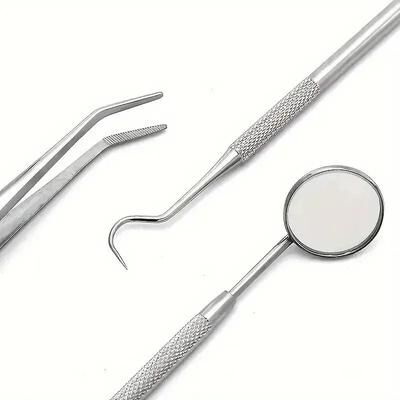
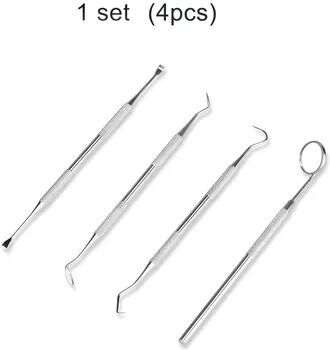
Inspire Daily Merch Teeth Cleaning Tool Dental Plaque Remover Tartar Scraper Scaler Oral Care Dentist Dental Hygiene Kit Calculus Remover 1setProfessional Teeth Cleaning at Home Achieve a dentistlike clean with this 4pcs Tartar Scraper Scaler Plaque Remover kit. Specifically designed for effective athome teeth cleaning, this set helps you remove tartar, plaque, and calculus with...29,97 $*Shipping: 0,00 $Secure redirect to the provider
-
Unicskin Unicwhite Smile Gel Teeth Whitening 16x2mLA skin-care product. Achieve a brighter smile with Unicwhite Smile Gel —safe, peroxide-free whitening with fast, visible results. Effectively removes stains from coffee, wine, and tobacco. Peroxide-free formula with no enamel damage. No sensitivity, safe for regular use. Fast results with blue light activation.24,22 £*Shipping: 5,22 £Secure redirect to the provider
-
Inspired Deals Comfort Fit Flex Silicone Veneers For Instant Smile Whitening Comfort Fit Flex Silicone Veneers For Instant Smile WhiteningTransform your smile in seconds with these temporary veneers designed to create a brighter, more confident look without complicated dental procedures. Made from soft silicone, these flexible snapon teeth covers fit comfortably over your upper teeth...34,97 $*Shipping: 0,00 $Secure redirect to the provider
-
Oral-B Pro Expert Gentle Whitening whitening toothpaste 2x75 mlOral-B Pro Expert Gentle Whitening, 2x75 ml, Complete protection for Women, The Oral-B Pro Expert Gentle Whitening toothpaste is intended for gentle tooth whitening. It removes unwanted pigmentation from the teeth effectively and with regular use will reward you with a brighter smile. Characteristics: guaranteed to be gentle on tooth enamel freshens breath cleans teeth reliably takes care of gums prevents plaque whitens teeth How to use: Use at least twice a day. Apply an appropriate amount of toothpaste to the brush and clean the teeth for at least two minutes.4,20 £*Shipping: 3,99 £Secure redirect to the provider


-
Into which seven groups can invertebrates be divided?
Invertebrates can be divided into seven groups: Porifera (sponges), Cnidaria (jellyfish, corals), Platyhelminthes (flatworms), Nematoda (roundworms), Annelida (segmented worms), Mollusca (snails, clams, octopuses), and Arthropoda (insects, spiders, crustaceans). Each group has its own unique characteristics and includes a wide variety of species with diverse adaptations for survival. **
-
What are the characteristics of vertebrates, invertebrates, and insects?
Vertebrates are animals with a backbone or spinal column, including mammals, birds, reptiles, amphibians, and fish. They typically have a well-developed internal skeleton and a complex nervous system. Invertebrates, on the other hand, are animals without a backbone, such as insects, arachnids, mollusks, and crustaceans. They often have exoskeletons for support and protection. Insects are a specific type of invertebrate characterized by having six legs, three body segments (head, thorax, and abdomen), and often wings. They are the most diverse group of animals on Earth, with over a million described species. **
-
Why are there mainly electrical synapses in fish and invertebrates?
Electrical synapses are more common in fish and invertebrates because they allow for faster and more direct communication between neurons. This is important in these organisms for rapid responses to environmental stimuli and for coordinating movements. Additionally, electrical synapses are more energy-efficient compared to chemical synapses, which is advantageous for organisms with simpler nervous systems. Overall, the prevalence of electrical synapses in fish and invertebrates reflects their need for efficient and rapid neural communication in their environments. **
-
What is the difference between the axons of vertebrates and invertebrates?
The main difference between the axons of vertebrates and invertebrates lies in their myelination. In vertebrates, axons are often myelinated, which means they are surrounded by a fatty substance that speeds up the transmission of electrical signals. In contrast, invertebrate axons are typically unmyelinated, which can result in slower signal transmission. Additionally, vertebrate axons tend to be larger in diameter compared to invertebrate axons, allowing for faster conduction of nerve impulses. **


How does the conduction of excitation work in vertebrates and invertebrates?
In vertebrates, excitation is conducted through the nervous system, which consists of neurons that transmit electrical signals. When a stimulus is detected, such as touch or sound, sensory neurons transmit the signal to the central nervous system, where it is processed and a response is generated. This response is then transmitted through motor neurons to the appropriate muscles or glands. In invertebrates, excitation is also conducted through the nervous system, but their nervous system is less centralized than in vertebrates. Invertebrates have a network of neurons that transmit signals throughout the body, allowing for rapid responses to stimuli. Some invertebrates, such as insects, also have specialized sensory organs that detect specific stimuli and transmit signals to the nervous system for processing and response. **
What ideas are there for a presentation on invertebrates in the subject of Biology?
A presentation on invertebrates in Biology could cover various topics such as the classification of invertebrates, their diversity and adaptations, their ecological roles in different ecosystems, and their importance in various fields like medicine and agriculture. The presentation could also focus on specific groups of invertebrates such as insects, mollusks, or arachnids, highlighting their unique characteristics and life cycles. Additionally, discussing current research on invertebrates, their conservation status, and the threats they face due to human activities could also be included in the presentation. **
Top-Angebote
Products related to Invertebrates:
-
Uplifted Finds Stainless Steel Dentist Oral Care Kit Stainless Steel Dentist Oral Care KitMaintain professionallevel dental hygiene at home with this 6piece Stainless Steel Dentist Oral Tools set. Designed for comprehensive cleaning and flossing, these tools are highly effective for tartar removal and plaque control. The highquality...54,97 $*Shipping: 0,00 $Secure redirect to the provider
-
Dabur Oral hygiene LinguanetHealth and Beauty Oral Care Dabur Oral hygiene Linguanet Contributes to maintaining perfect oral hygiene. How to use: It is very easy to use, scraping the tongue each time the teeth are cleaned. Drag the arch over the extended tongue in an outward direction.5,34 £*Shipping: 3,99 £Secure redirect to the provider
-
Inspire Daily Merch Teeth Cleaning Tool Dental Plaque Remover Tartar Scraper Scaler Oral Care Dentist Dental Hygiene Kit Calculus Remover 1setProfessional Teeth Cleaning at Home Achieve a dentistlike clean with this 4pcs Tartar Scraper Scaler Plaque Remover kit. Specifically designed for effective athome teeth cleaning, this set helps you remove tartar, plaque, and calculus with...29,97 $*Shipping: 0,00 $Secure redirect to the provider
-
Unicskin Unicwhite Smile Gel Teeth Whitening 16x2mLA skin-care product. Achieve a brighter smile with Unicwhite Smile Gel —safe, peroxide-free whitening with fast, visible results. Effectively removes stains from coffee, wine, and tobacco. Peroxide-free formula with no enamel damage. No sensitivity, safe for regular use. Fast results with blue light activation.24,22 £*Shipping: 5,22 £Secure redirect to the provider
-
How are the nerve cells structured in invertebrates?
In invertebrates, nerve cells are organized into a network called a nerve net. This nerve net consists of interconnected neurons that are spread throughout the body. These neurons are typically simpler in structure compared to the more specialized nerve cells found in vertebrates. The nerve net allows for rapid communication and coordination of responses to stimuli in invertebrates. **
-
What is the difference between vertebrates and invertebrates?
The main difference between vertebrates and invertebrates is the presence of a backbone. Vertebrates have a backbone made of vertebrae that protects the spinal cord, while invertebrates do not have a backbone. Vertebrates include animals such as mammals, birds, reptiles, amphibians, and fish, while invertebrates include animals such as insects, spiders, worms, and mollusks. Additionally, vertebrates tend to have more complex body systems and are generally larger in size compared to invertebrates. **
-
Into which seven groups can invertebrates be divided?
Invertebrates can be divided into seven groups: Porifera (sponges), Cnidaria (jellyfish, corals), Platyhelminthes (flatworms), Nematoda (roundworms), Annelida (segmented worms), Mollusca (snails, clams, octopuses), and Arthropoda (insects, spiders, crustaceans). Each group has its own unique characteristics and includes a wide variety of species with diverse adaptations for survival. **
-
What are the characteristics of vertebrates, invertebrates, and insects?
Vertebrates are animals with a backbone or spinal column, including mammals, birds, reptiles, amphibians, and fish. They typically have a well-developed internal skeleton and a complex nervous system. Invertebrates, on the other hand, are animals without a backbone, such as insects, arachnids, mollusks, and crustaceans. They often have exoskeletons for support and protection. Insects are a specific type of invertebrate characterized by having six legs, three body segments (head, thorax, and abdomen), and often wings. They are the most diverse group of animals on Earth, with over a million described species. **
Similar search terms for Invertebrates
-
Inspired Deals Comfort Fit Flex Silicone Veneers For Instant Smile Whitening Comfort Fit Flex Silicone Veneers For Instant Smile WhiteningTransform your smile in seconds with these temporary veneers designed to create a brighter, more confident look without complicated dental procedures. Made from soft silicone, these flexible snapon teeth covers fit comfortably over your upper teeth...34,97 $*Shipping: 0,00 $Secure redirect to the provider
-
Oral-B Pro Expert Gentle Whitening whitening toothpaste 2x75 mlOral-B Pro Expert Gentle Whitening, 2x75 ml, Complete protection for Women, The Oral-B Pro Expert Gentle Whitening toothpaste is intended for gentle tooth whitening. It removes unwanted pigmentation from the teeth effectively and with regular use will reward you with a brighter smile. Characteristics: guaranteed to be gentle on tooth enamel freshens breath cleans teeth reliably takes care of gums prevents plaque whitens teeth How to use: Use at least twice a day. Apply an appropriate amount of toothpaste to the brush and clean the teeth for at least two minutes.4,20 £*Shipping: 3,99 £Secure redirect to the provider
-
Uplifted Finds Mint Fresh Pet Oral Hygiene Finger Wipes Mint Fresh Pet Oral Hygiene Finger WipesMaintain your pets dental health with zero struggle using the MintFresh Oral Hygiene Finger Wipes. Designed for pets who shy away from traditional toothbrushes and abrasive pastes, these premoistened finger covers allow you to clean teeth and gums...58,97 $*Shipping: 0,00 $Secure redirect to the provider
-
Smile Science Harley Street Professional Teeth Whitening KitsSmile Science Harley Street Professional Teeth Whitening Kit contains the following; • 1 x 7ml Integrated Advanced Treatment Stain Remover & Swab • 2 x Syringe Tips • 2 x 5ml Peroxide Free Whitening Agent Syringes • 1 x Integrated detachable mouth tray & 5-point Blue LED Accelerating Light (Batteries Included) • 1 x Instructions with Shade Guide Achieve up to 8 shades whiter teeth within 10 days with this two part clinically proven dentist approved formula, developed for professional teeth whitening results for sensitive teeth. The pre stain remover pre-treats and removes deep set or surface stains from the teeth, followed by the teeth whitening gel to nourish and strengthen enamel for ultimate oral health. The whitening gel is activated by a 5-point Blue LED Accelerating Light using five powerful LED bulb technology to enhance the whitening process and achieve long-lasting bright dazzling results. Not recommended for use whilst pregnant or breastfeeding. Suitable for 16+ years of age. Ingredients Pre Stain Remover: Aqua, Poloxamer 407, Poloxamer 188, Sodium Lauryl Sulfate, Glycerin, Mentha Viridis Leaf Oil, Polysorbate 20, Caffeine, Hamamelis Virginiana Leaf Water, L-Menthol, Sucralose, Sodium Benzonate, Sodium Citrate, Linalool, D-Limonene. Teeth Whitening Gel: Glycerin, Aqua, Mentha Piperita Oil, Carbomer, Triethanolamine, Mica, Sodium Carbonate Peroxide, Sucralose, Linalool, D-Limonene15,83 £*Shipping: 2,95 £Secure redirect to the provider
-
Why are there mainly electrical synapses in fish and invertebrates?
Electrical synapses are more common in fish and invertebrates because they allow for faster and more direct communication between neurons. This is important in these organisms for rapid responses to environmental stimuli and for coordinating movements. Additionally, electrical synapses are more energy-efficient compared to chemical synapses, which is advantageous for organisms with simpler nervous systems. Overall, the prevalence of electrical synapses in fish and invertebrates reflects their need for efficient and rapid neural communication in their environments. **
-
What is the difference between the axons of vertebrates and invertebrates?
The main difference between the axons of vertebrates and invertebrates lies in their myelination. In vertebrates, axons are often myelinated, which means they are surrounded by a fatty substance that speeds up the transmission of electrical signals. In contrast, invertebrate axons are typically unmyelinated, which can result in slower signal transmission. Additionally, vertebrate axons tend to be larger in diameter compared to invertebrate axons, allowing for faster conduction of nerve impulses. **
-
How does the conduction of excitation work in vertebrates and invertebrates?
In vertebrates, excitation is conducted through the nervous system, which consists of neurons that transmit electrical signals. When a stimulus is detected, such as touch or sound, sensory neurons transmit the signal to the central nervous system, where it is processed and a response is generated. This response is then transmitted through motor neurons to the appropriate muscles or glands. In invertebrates, excitation is also conducted through the nervous system, but their nervous system is less centralized than in vertebrates. Invertebrates have a network of neurons that transmit signals throughout the body, allowing for rapid responses to stimuli. Some invertebrates, such as insects, also have specialized sensory organs that detect specific stimuli and transmit signals to the nervous system for processing and response. **
-
What ideas are there for a presentation on invertebrates in the subject of Biology?
A presentation on invertebrates in Biology could cover various topics such as the classification of invertebrates, their diversity and adaptations, their ecological roles in different ecosystems, and their importance in various fields like medicine and agriculture. The presentation could also focus on specific groups of invertebrates such as insects, mollusks, or arachnids, highlighting their unique characteristics and life cycles. Additionally, discussing current research on invertebrates, their conservation status, and the threats they face due to human activities could also be included in the presentation. **
* All prices are inclusive of VAT and, if applicable, plus shipping costs. The offer information is based on the details provided by the respective shop and is updated through automated processes. Real-time updates do not occur, so deviations can occur in individual cases. ** Note: Parts of this content were created by AI.