Buy zähne.eu ?
We are moving the project
zähne.eu .
Are you interested in purchasing the domain
zähne.eu ?
domain@kv-gmbh.de · 0541-91531010
Buy zähne.eu ?
What is the deontological perspective?
The deontological perspective is an ethical theory that focuses on the inherent rightness or wrongness of actions themselves, rather than the consequences of those actions. It is based on the idea that certain actions are morally obligatory regardless of their outcomes. Deontologists believe that individuals have a duty to follow certain moral rules or principles, such as honesty or respecting others' autonomy, regardless of the potential benefits or harms that may result. This perspective is often associated with philosophers like Immanuel Kant, who argued that moral principles are universal and apply to all rational beings. **
What is meant by deontological and teleological?
Deontological ethics is an ethical theory that focuses on the inherent rightness or wrongness of actions themselves, rather than the consequences of those actions. It emphasizes the importance of following moral rules and duties, regardless of the outcomes. On the other hand, teleological ethics, also known as consequentialism, is an ethical theory that evaluates the morality of actions based on their outcomes or consequences. It emphasizes the idea that the rightness or wrongness of an action is determined by the overall good or bad results it produces. In summary, deontological ethics focuses on the inherent nature of actions, while teleological ethics focuses on the outcomes of actions. **

Similar search terms for Deontological
Top-Angebote
Products related to Deontological:
-
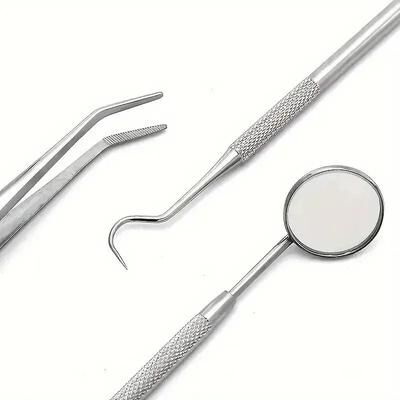
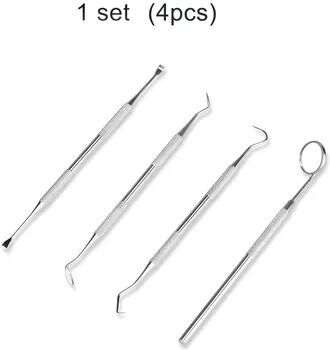
Inspire Daily Merch Teeth Cleaning Tool Dental Plaque Remover Tartar Scraper Scaler Oral Care Dentist Dental Hygiene Kit Calculus Remover 1setProfessional Teeth Cleaning at Home Achieve a dentistlike clean with this 4pcs Tartar Scraper Scaler Plaque Remover kit. Specifically designed for effective athome teeth cleaning, this set helps you remove tartar, plaque, and calculus with...29,97 $*Shipping: 0,00 $Secure redirect to the provider
-
Unicskin Unicwhite Smile Gel Teeth Whitening 16x2mLA skin-care product. Achieve a brighter smile with Unicwhite Smile Gel —safe, peroxide-free whitening with fast, visible results. Effectively removes stains from coffee, wine, and tobacco. Peroxide-free formula with no enamel damage. No sensitivity, safe for regular use. Fast results with blue light activation.24,22 £*Shipping: 5,22 £Secure redirect to the provider
-
Inspired Deals Comfort Fit Flex Silicone Veneers For Instant Smile Whitening Comfort Fit Flex Silicone Veneers For Instant Smile WhiteningTransform your smile in seconds with these temporary veneers designed to create a brighter, more confident look without complicated dental procedures. Made from soft silicone, these flexible snapon teeth covers fit comfortably over your upper teeth...34,97 $*Shipping: 0,00 $Secure redirect to the provider
-
Oral-B Pro Expert Gentle Whitening whitening toothpaste 2x75 mlOral-B Pro Expert Gentle Whitening, 2x75 ml, Complete protection for Women, The Oral-B Pro Expert Gentle Whitening toothpaste is intended for gentle tooth whitening. It removes unwanted pigmentation from the teeth effectively and with regular use will reward you with a brighter smile. Characteristics: guaranteed to be gentle on tooth enamel freshens breath cleans teeth reliably takes care of gums prevents plaque whitens teeth How to use: Use at least twice a day. Apply an appropriate amount of toothpaste to the brush and clean the teeth for at least two minutes.4,20 £*Shipping: 3,99 £Secure redirect to the provider


-
Does Kant's deontological ethics contradict Aristotle's eudaemonistic ethics?
Kant's deontological ethics and Aristotle's eudaemonistic ethics have some fundamental differences, but they do not necessarily contradict each other. Kant's ethics focus on duty and the intention behind actions, while Aristotle's ethics emphasize achieving eudaimonia, or human flourishing, through virtuous actions. While Kant's emphasis on duty can sometimes conflict with Aristotle's emphasis on virtue, both ethical theories ultimately aim to guide individuals towards leading a good and moral life. Therefore, while they may approach ethics from different perspectives, they can be seen as complementary rather than contradictory. **
-
Does discourse ethics have a teleological or deontological approach?
Discourse ethics is primarily associated with a deontological approach. It focuses on the principles of communication and interaction between individuals, emphasizing the importance of ethical norms and rules in guiding discourse. The goal is to ensure that communication is based on mutual respect, equality, and rationality, rather than aiming towards a specific outcome or goal. By prioritizing the ethical principles of communication, discourse ethics aims to create a fair and just dialogue among participants. **
-
What is the difference between deontological ethics and utilitarianism?
Deontological ethics is an ethical theory that focuses on the inherent rightness or wrongness of actions themselves, regardless of their consequences. It emphasizes the importance of following moral rules and duties, such as telling the truth or keeping promises, regardless of the outcomes. On the other hand, utilitarianism is a consequentialist ethical theory that evaluates the morality of actions based on their outcomes. It prioritizes maximizing overall happiness or well-being for the greatest number of people, often through the calculation of benefits and harms. In summary, deontological ethics emphasizes the inherent morality of actions, while utilitarianism focuses on the consequences of actions. **
-
Is deontological ethics exactly the same as the categorical imperative?
Deontological ethics is a broader ethical theory that states that actions are inherently right or wrong, regardless of their consequences. The categorical imperative, on the other hand, is a specific formulation within deontological ethics proposed by Immanuel Kant. While the categorical imperative is a key component of deontological ethics, deontological ethics encompasses a wider range of principles and theories beyond just the categorical imperative. **


What are the differences between deontological ethics and utilitarian ethics?
Deontological ethics, also known as duty-based ethics, focuses on the inherent rightness or wrongness of actions themselves, regardless of their consequences. It emphasizes following moral rules and duties, such as telling the truth or keeping promises, based on principles like the categorical imperative. On the other hand, utilitarian ethics, also known as consequentialist ethics, prioritizes the outcomes or consequences of actions. It aims to maximize overall happiness or well-being for the greatest number of people, often through the calculation of benefits and harms. While deontological ethics emphasizes duty and rules, utilitarian ethics prioritizes the greatest good for the greatest number. **
What is the difference between deontological ethics and utilitarian ethics?
Deontological ethics, also known as duty-based ethics, focuses on the inherent rightness or wrongness of actions themselves, regardless of their consequences. This means that certain actions are considered morally right or wrong based on whether they adhere to a set of rules or principles. On the other hand, utilitarian ethics, also known as consequentialist ethics, evaluates the morality of actions based on their outcomes or consequences. In utilitarianism, the rightness or wrongness of an action is determined by its ability to produce the greatest overall happiness or pleasure for the greatest number of people. **
Top-Angebote
Products related to Deontological:
-
Uplifted Finds Stainless Steel Dentist Oral Care Kit Stainless Steel Dentist Oral Care KitMaintain professionallevel dental hygiene at home with this 6piece Stainless Steel Dentist Oral Tools set. Designed for comprehensive cleaning and flossing, these tools are highly effective for tartar removal and plaque control. The highquality...54,97 $*Shipping: 0,00 $Secure redirect to the provider
-
Dabur Oral hygiene LinguanetHealth and Beauty Oral Care Dabur Oral hygiene Linguanet Contributes to maintaining perfect oral hygiene. How to use: It is very easy to use, scraping the tongue each time the teeth are cleaned. Drag the arch over the extended tongue in an outward direction.5,34 £*Shipping: 3,99 £Secure redirect to the provider
-
Inspire Daily Merch Teeth Cleaning Tool Dental Plaque Remover Tartar Scraper Scaler Oral Care Dentist Dental Hygiene Kit Calculus Remover 1setProfessional Teeth Cleaning at Home Achieve a dentistlike clean with this 4pcs Tartar Scraper Scaler Plaque Remover kit. Specifically designed for effective athome teeth cleaning, this set helps you remove tartar, plaque, and calculus with...29,97 $*Shipping: 0,00 $Secure redirect to the provider
-
Unicskin Unicwhite Smile Gel Teeth Whitening 16x2mLA skin-care product. Achieve a brighter smile with Unicwhite Smile Gel —safe, peroxide-free whitening with fast, visible results. Effectively removes stains from coffee, wine, and tobacco. Peroxide-free formula with no enamel damage. No sensitivity, safe for regular use. Fast results with blue light activation.24,22 £*Shipping: 5,22 £Secure redirect to the provider
-
What is the deontological perspective?
The deontological perspective is an ethical theory that focuses on the inherent rightness or wrongness of actions themselves, rather than the consequences of those actions. It is based on the idea that certain actions are morally obligatory regardless of their outcomes. Deontologists believe that individuals have a duty to follow certain moral rules or principles, such as honesty or respecting others' autonomy, regardless of the potential benefits or harms that may result. This perspective is often associated with philosophers like Immanuel Kant, who argued that moral principles are universal and apply to all rational beings. **
-
What is meant by deontological and teleological?
Deontological ethics is an ethical theory that focuses on the inherent rightness or wrongness of actions themselves, rather than the consequences of those actions. It emphasizes the importance of following moral rules and duties, regardless of the outcomes. On the other hand, teleological ethics, also known as consequentialism, is an ethical theory that evaluates the morality of actions based on their outcomes or consequences. It emphasizes the idea that the rightness or wrongness of an action is determined by the overall good or bad results it produces. In summary, deontological ethics focuses on the inherent nature of actions, while teleological ethics focuses on the outcomes of actions. **
-
Does Kant's deontological ethics contradict Aristotle's eudaemonistic ethics?
Kant's deontological ethics and Aristotle's eudaemonistic ethics have some fundamental differences, but they do not necessarily contradict each other. Kant's ethics focus on duty and the intention behind actions, while Aristotle's ethics emphasize achieving eudaimonia, or human flourishing, through virtuous actions. While Kant's emphasis on duty can sometimes conflict with Aristotle's emphasis on virtue, both ethical theories ultimately aim to guide individuals towards leading a good and moral life. Therefore, while they may approach ethics from different perspectives, they can be seen as complementary rather than contradictory. **
-
Does discourse ethics have a teleological or deontological approach?
Discourse ethics is primarily associated with a deontological approach. It focuses on the principles of communication and interaction between individuals, emphasizing the importance of ethical norms and rules in guiding discourse. The goal is to ensure that communication is based on mutual respect, equality, and rationality, rather than aiming towards a specific outcome or goal. By prioritizing the ethical principles of communication, discourse ethics aims to create a fair and just dialogue among participants. **
Similar search terms for Deontological
-
Inspired Deals Comfort Fit Flex Silicone Veneers For Instant Smile Whitening Comfort Fit Flex Silicone Veneers For Instant Smile WhiteningTransform your smile in seconds with these temporary veneers designed to create a brighter, more confident look without complicated dental procedures. Made from soft silicone, these flexible snapon teeth covers fit comfortably over your upper teeth...34,97 $*Shipping: 0,00 $Secure redirect to the provider
-
Oral-B Pro Expert Gentle Whitening whitening toothpaste 2x75 mlOral-B Pro Expert Gentle Whitening, 2x75 ml, Complete protection for Women, The Oral-B Pro Expert Gentle Whitening toothpaste is intended for gentle tooth whitening. It removes unwanted pigmentation from the teeth effectively and with regular use will reward you with a brighter smile. Characteristics: guaranteed to be gentle on tooth enamel freshens breath cleans teeth reliably takes care of gums prevents plaque whitens teeth How to use: Use at least twice a day. Apply an appropriate amount of toothpaste to the brush and clean the teeth for at least two minutes.4,20 £*Shipping: 3,99 £Secure redirect to the provider
-
Uplifted Finds Mint Fresh Pet Oral Hygiene Finger Wipes Mint Fresh Pet Oral Hygiene Finger WipesMaintain your pets dental health with zero struggle using the MintFresh Oral Hygiene Finger Wipes. Designed for pets who shy away from traditional toothbrushes and abrasive pastes, these premoistened finger covers allow you to clean teeth and gums...58,97 $*Shipping: 0,00 $Secure redirect to the provider
-
Smile Science Harley Street Professional Teeth Whitening KitsSmile Science Harley Street Professional Teeth Whitening Kit contains the following; • 1 x 7ml Integrated Advanced Treatment Stain Remover & Swab • 2 x Syringe Tips • 2 x 5ml Peroxide Free Whitening Agent Syringes • 1 x Integrated detachable mouth tray & 5-point Blue LED Accelerating Light (Batteries Included) • 1 x Instructions with Shade Guide Achieve up to 8 shades whiter teeth within 10 days with this two part clinically proven dentist approved formula, developed for professional teeth whitening results for sensitive teeth. The pre stain remover pre-treats and removes deep set or surface stains from the teeth, followed by the teeth whitening gel to nourish and strengthen enamel for ultimate oral health. The whitening gel is activated by a 5-point Blue LED Accelerating Light using five powerful LED bulb technology to enhance the whitening process and achieve long-lasting bright dazzling results. Not recommended for use whilst pregnant or breastfeeding. Suitable for 16+ years of age. Ingredients Pre Stain Remover: Aqua, Poloxamer 407, Poloxamer 188, Sodium Lauryl Sulfate, Glycerin, Mentha Viridis Leaf Oil, Polysorbate 20, Caffeine, Hamamelis Virginiana Leaf Water, L-Menthol, Sucralose, Sodium Benzonate, Sodium Citrate, Linalool, D-Limonene. Teeth Whitening Gel: Glycerin, Aqua, Mentha Piperita Oil, Carbomer, Triethanolamine, Mica, Sodium Carbonate Peroxide, Sucralose, Linalool, D-Limonene15,83 £*Shipping: 2,95 £Secure redirect to the provider
-
What is the difference between deontological ethics and utilitarianism?
Deontological ethics is an ethical theory that focuses on the inherent rightness or wrongness of actions themselves, regardless of their consequences. It emphasizes the importance of following moral rules and duties, such as telling the truth or keeping promises, regardless of the outcomes. On the other hand, utilitarianism is a consequentialist ethical theory that evaluates the morality of actions based on their outcomes. It prioritizes maximizing overall happiness or well-being for the greatest number of people, often through the calculation of benefits and harms. In summary, deontological ethics emphasizes the inherent morality of actions, while utilitarianism focuses on the consequences of actions. **
-
Is deontological ethics exactly the same as the categorical imperative?
Deontological ethics is a broader ethical theory that states that actions are inherently right or wrong, regardless of their consequences. The categorical imperative, on the other hand, is a specific formulation within deontological ethics proposed by Immanuel Kant. While the categorical imperative is a key component of deontological ethics, deontological ethics encompasses a wider range of principles and theories beyond just the categorical imperative. **
-
What are the differences between deontological ethics and utilitarian ethics?
Deontological ethics, also known as duty-based ethics, focuses on the inherent rightness or wrongness of actions themselves, regardless of their consequences. It emphasizes following moral rules and duties, such as telling the truth or keeping promises, based on principles like the categorical imperative. On the other hand, utilitarian ethics, also known as consequentialist ethics, prioritizes the outcomes or consequences of actions. It aims to maximize overall happiness or well-being for the greatest number of people, often through the calculation of benefits and harms. While deontological ethics emphasizes duty and rules, utilitarian ethics prioritizes the greatest good for the greatest number. **
-
What is the difference between deontological ethics and utilitarian ethics?
Deontological ethics, also known as duty-based ethics, focuses on the inherent rightness or wrongness of actions themselves, regardless of their consequences. This means that certain actions are considered morally right or wrong based on whether they adhere to a set of rules or principles. On the other hand, utilitarian ethics, also known as consequentialist ethics, evaluates the morality of actions based on their outcomes or consequences. In utilitarianism, the rightness or wrongness of an action is determined by its ability to produce the greatest overall happiness or pleasure for the greatest number of people. **
* All prices are inclusive of VAT and, if applicable, plus shipping costs. The offer information is based on the details provided by the respective shop and is updated through automated processes. Real-time updates do not occur, so deviations can occur in individual cases. ** Note: Parts of this content were created by AI.